


Ecotourism is far more than a travel trend—it is a vital conservation tool. While mass tourism often puts pressure on natural resources, specialized wildlife activities like birdwatching actively contribute to environmental preservation and community development.
In fragile alpine ecosystems like Morocco’s High Atlas Mountains, responsible birding tours play a pivotal role in protecting biodiversity while providing sustainable livelihoods for local mountain communities.
1. Turning Biodiversity into an Economic Asset
One of the most effective ways to protect wildlife is to make live animals and intact habitats more valuable than habitat destruction.
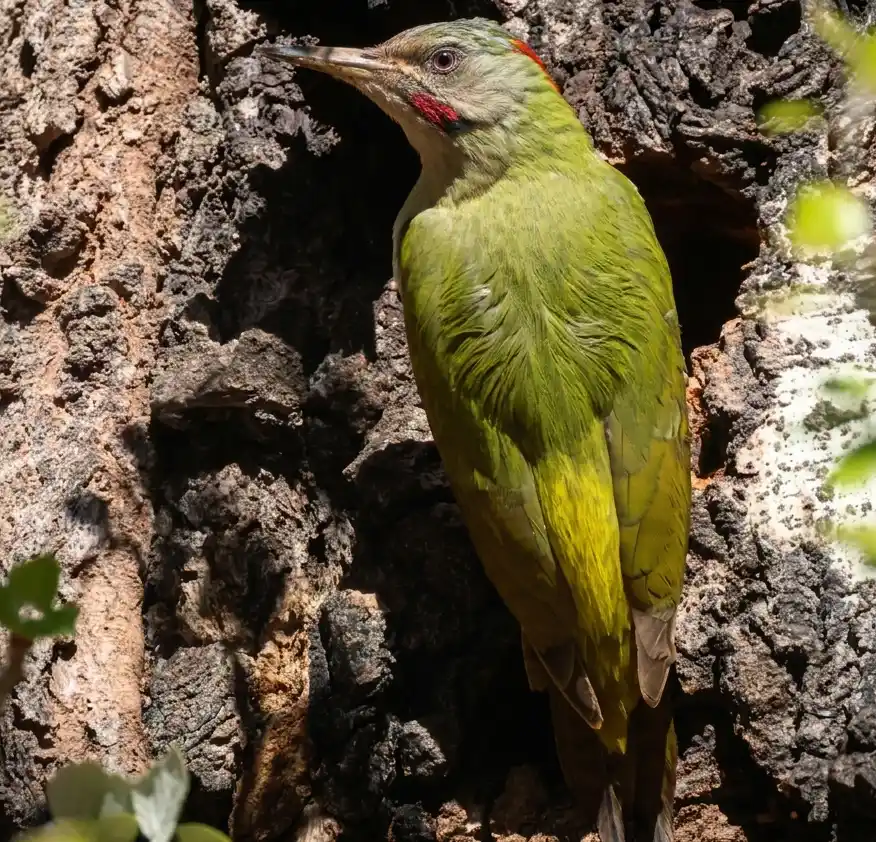
- Local Economic Support: Birdwatchers travel specifically to observe rare endemic species like the Levaillant’s Woodpecker and Moussier’s Redstart. By hiring local mountain guides, staying in family-run eco-lodges, and dining in villages, eco-tourists inject income directly into rural economies.
- Incentivizing Protection: When local communities benefit economically from visiting nature lovers, protecting natural forests, walnut groves, and alpine meadows becomes a shared priority.
2. Promoting Low-Impact Travel Practices
Unlike high-footprint travel activities, birdwatching in the High Atlas naturally aligns with zero-impact principles:
- Foot-Based Exploration: Birders explore habitats on foot using established mountain trails, preventing soil erosion and avoiding carbon emissions.
- Wildlife Respect: Ethical birding prioritizes non-intrusive observation from a distance using binoculars and spotting scopes, ensuring species like nesting raptors (such as the Golden Eagle or Bearded Vulture) remain undisturbed.
3. Funding Conservation & Environmental Awareness
Guided birdwatching trips foster environmental stewardship on both sides of the binoculars:
- Citizen Science & Data: Birdwatchers regularly submit field observations to global platforms like eBird. This valuable data helps ornithologists track species populations, migration routes, and habitat changes over time.
- Habitat Preservation: Increased interest in wildlife habitats supports the protection of fragile environments, including Toubkal National Park and surrounding mountain valleys.
Ecotourism in Action: The High Atlas Model
In regions like the Asni and Imlil valleys, ecotourism creates a harmonious relationship between nature conservation and traditional Berber culture. Visitors learn about traditional sustainable farming practices—such as mountain terrace cultivation and water management—while observing how locals have coexisted with wildlife for centuries.
By choosing guided nature walks over conventional tours, travelers help preserve the wild beauty of North Africa’s highest peaks for generations to come.
Explore Sustainably with Atlas Birdwatching
At Atlas Birdwatching, environmental responsibility is at the heart of every excursion we lead. Our small-group, guided birding tours in the High Atlas Mountains are designed to minimize environmental impact while maximizing local community support.
Join us on a sustainable birdwatching tour and help protect Morocco’s unique wildlife!