

Why Morocco is a Paradise for Birdwatchers
If you ask any seasoned birder about their top destinations in North Africa, birdwatching in Morocco is almost always at the top of the list. Situated right on the East Atlantic Flyway, Morocco acts as a natural bridge between Europe and Africa. This unique position creates a haven for over 450 species, blending European migrants with rare North African endemics.
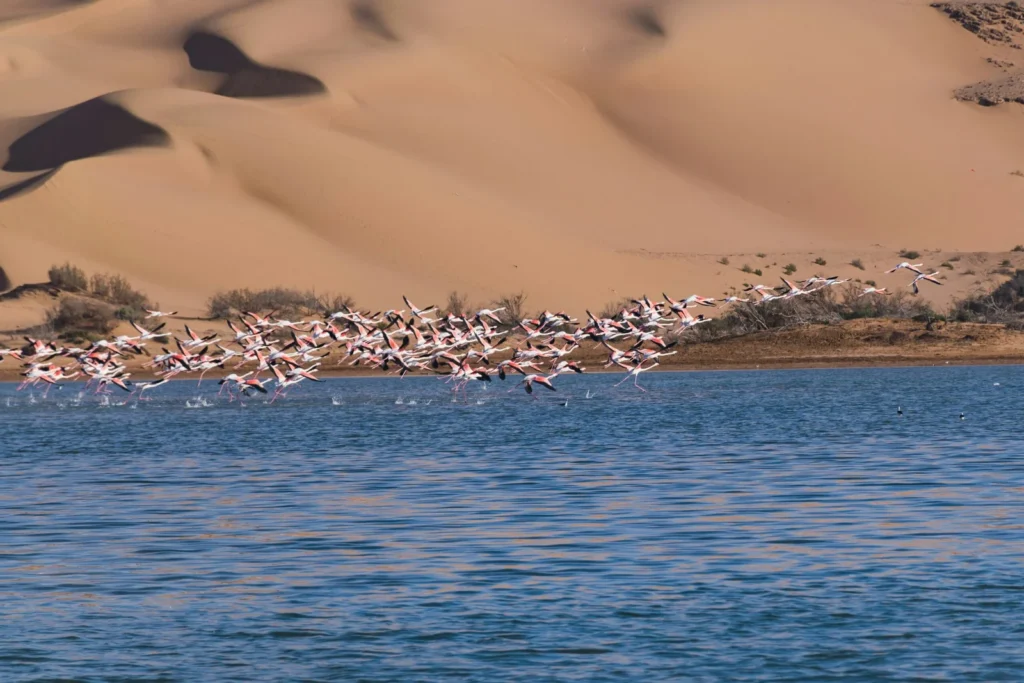
Whether you are scanning high-altitude mountain trails, exploring quiet oak forests, or watching flamingos in coastal lagoons, birding in Morocco offers a thrilling diversity of landscapes and species within short traveling distances.
Must-See Target Species for Your Life List
For international birders visiting Morocco, several iconic species serve as the main motivation for the trip:
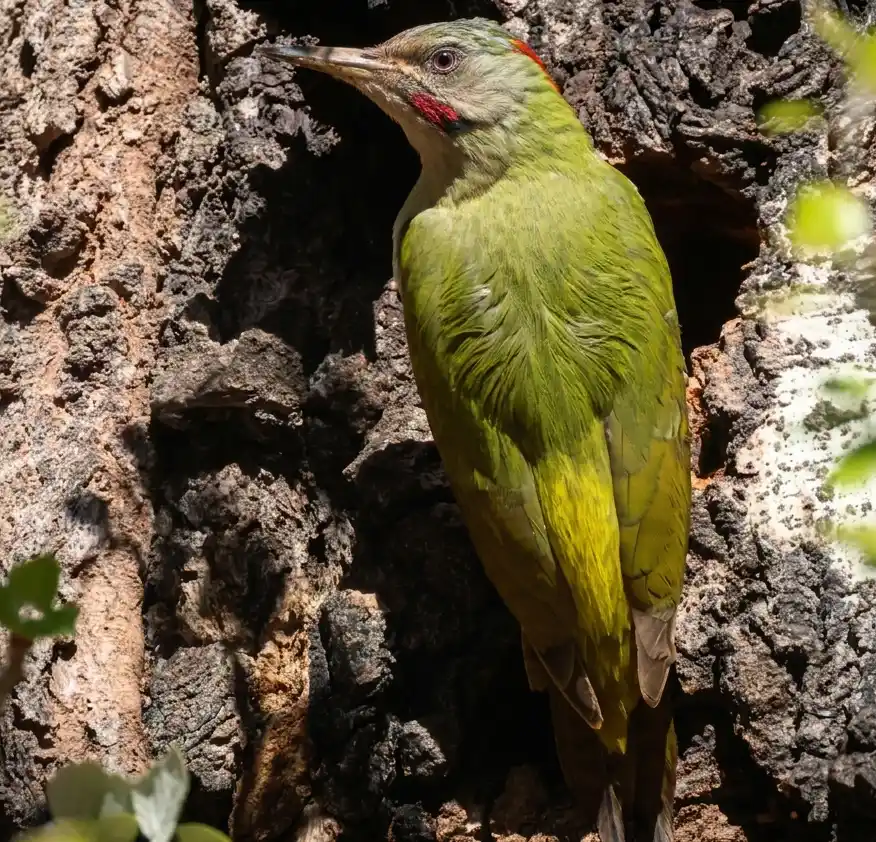
- Levaillant’s Woodpecker (Picus vaillantii): A striking North African endemic resident in the ancient oak, pine, and walnut forests of the High Atlas Mountains.
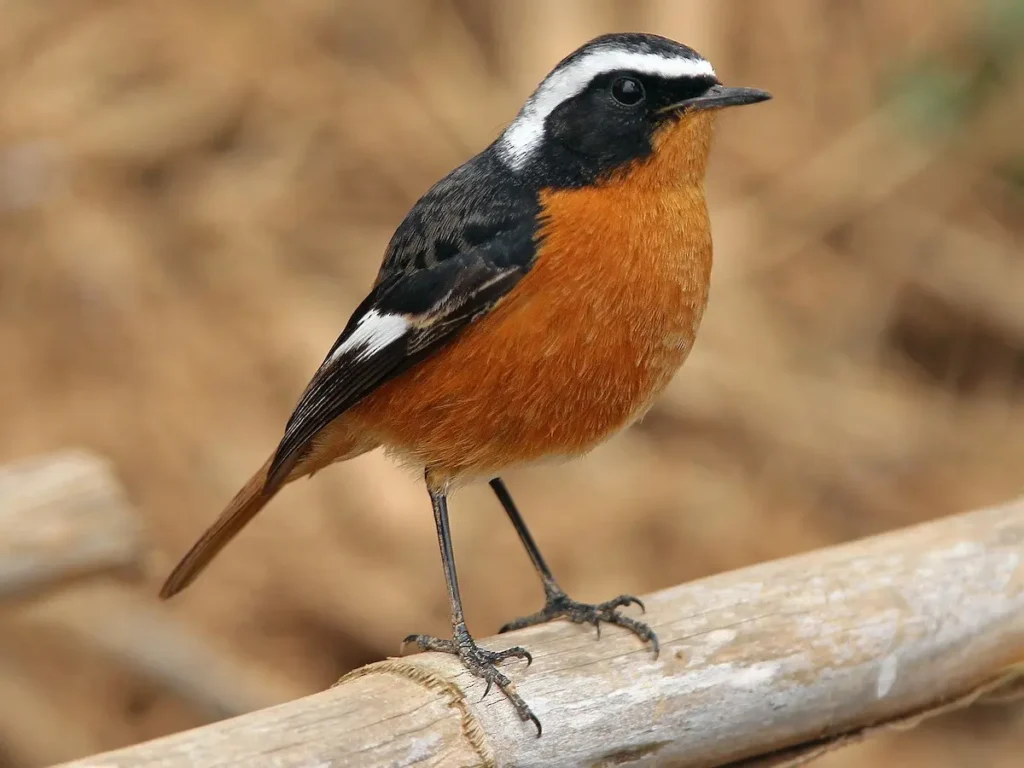
- Moussier’s Redstart (Phoenicurus Moussier’s): Morocco’s most iconic endemic bird, easily recognized by the male’s bright orange chest and sharp white eye stripe.
- Northern Bald Ibis (Geronticus eremita): One of the rarest birds in the world, with its last remaining wild breeding colonies carefully protected along the Atlantic coast.
- African Crimson-winged Finch (Rhodopechys alienus): A hardy mountain specialist often seen foraging near melting snowlines in early spring.
- Desert Specialties: Key species adapted to arid landscapes, including the Greater Hoopoe-Lark, Tristram’s Warbler, and Maghreb Wheatear.
Key Birdwatching Locations Across Morocco
1. The High Atlas Mountains (Imlil & Oukaïmeden)
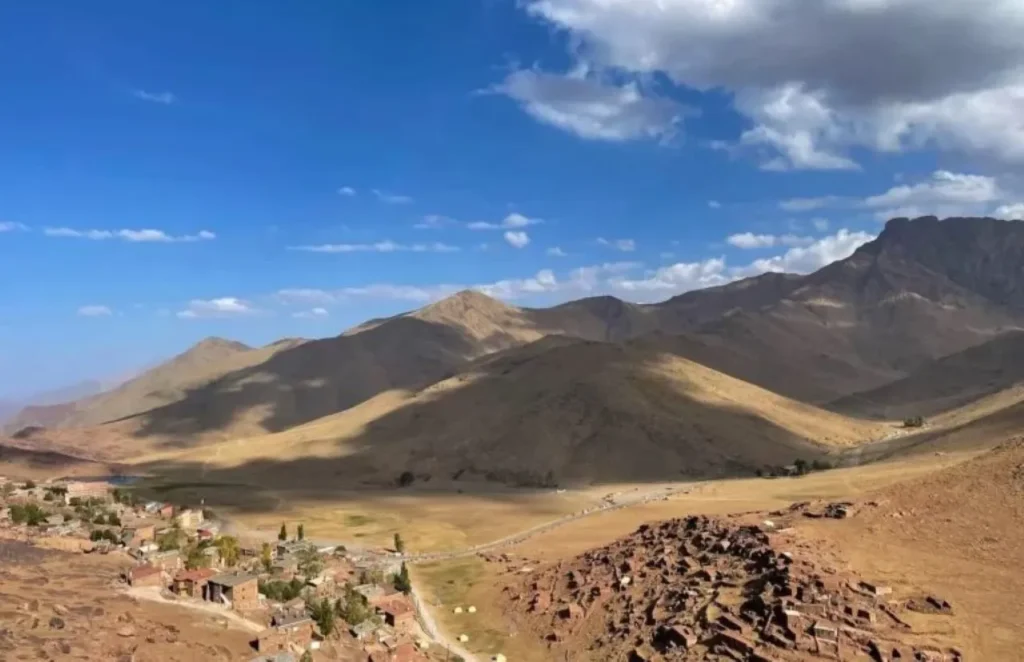
Located just a short drive from Marrakech, the High Atlas region offers unbeatable mountain birding. Valleys like Aït Mizane and Azzaden feature mature walnut orchards and riverbanks that host Levaillant’s Woodpecker, Atlas Coal Tit, Red-billed Chough, and Seebohm’s Wheatear.
2. Souss-Massa National Park & Tamri Coast
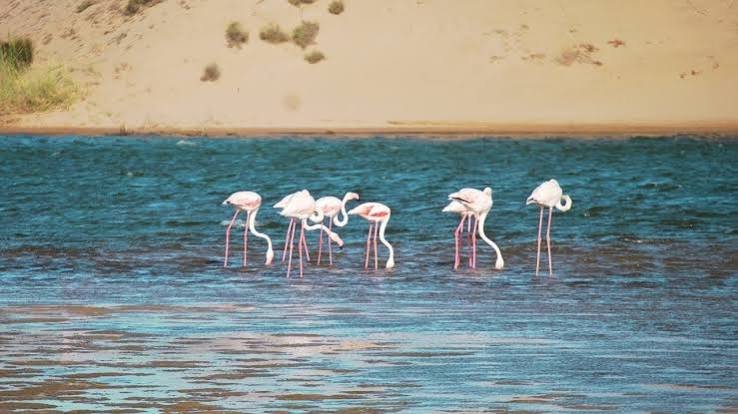
Stretching south of Agadir, this coastal park combines river estuaries, mudflats, and Atlantic cliffs. It is world-famous for housing crucial wild populations of the Northern Bald Ibis, alongside Greater Flamingos, Ospreys, and migrating waders.
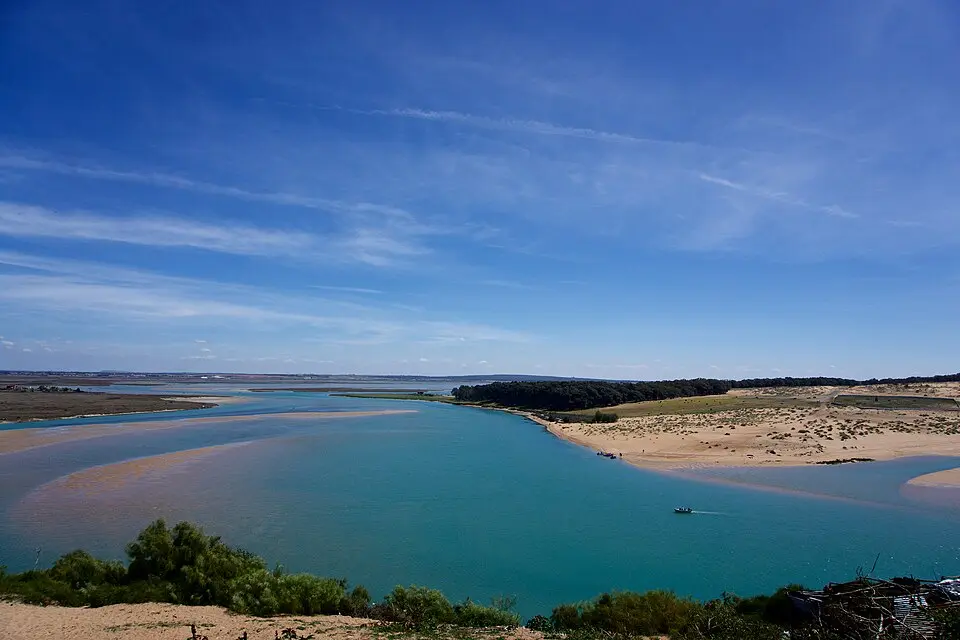
3. Merja Zerga Lagoon (Moulay Bousselham)
A massive coastal wetland in northern Morocco that serves as a vital wintering stopover for thousands of migratory wildfowl, spoonbills, and the elusive African Marsh Owl.
4. The Sahara Desert (Merzouga & Erg Chebbi)
Exploring the desert plains and rocky hamadas yields fascinating species like the Thick-billed Lark, Egyptian night-jar, and Fulvous Babbler.
When is the Best Time to Visit?
- Spring (March to May): The absolute peak season for birdwatching in Morocco. Resident birds are actively singing and establishing breeding territories, while thousands of migratory birds pass through on their way to Europe.
- Autumn (September to November): Ideal for witnessing southward raptor migrations and observing shorebirds in coastal wetlands.
- Winter (December to February): A great time for quiet birding in the Sahara Desert and watching waterfowl at coastal lagoons.
Local Tips for an Unforgettable Birding Trip
- Hire a Local Specialist Guide: Local birding guides know precise territory calls, seasonal movements, and quiet mountain trails that aren’t on standard tourist maps.
- Pack the Right Gear: Good 8×42 or 10×42 binoculars are essential for woodland birding, while a telephoto lens (400mm+) helps capture crisp shots in mountain light.
- Combine Ecosystems: To maximize your sight list, design an itinerary that combines at least two distinct habitats (such as the High Atlas Mountains + Souss-Massa Coast).
Plan Your Guided Morocco Birdwatching Tour
Ready to add rare North African species to your life list? Let an experienced local guide lead you to the best territory in the High Atlas Mountains and beyond.